
Published: September 2, 2026
- Record fee for Enzo Fernandez to Manchester City caps a jaw-dropping spend
- Clubs chased expenditure allowances as “value” vanished from deals
- Owners drove American-style trading
- Managers now face the fallout
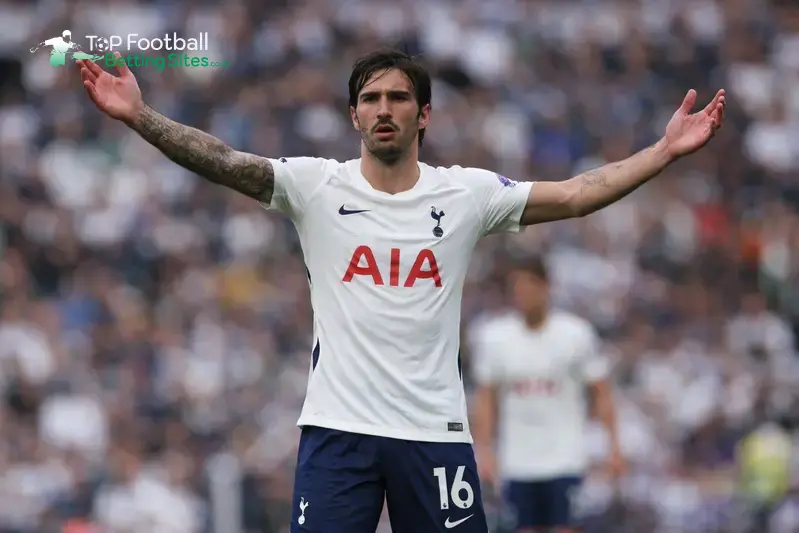
The Premier League just served up a transfer window so bloated it bent the laws of football logic. Manchester City landing Enzo Fernandez for a record £125m was the headline act of a market where price tags outpaced performance, tempers frayed, and normal rules went missing. For supporters sizing up what it all means (and even browsing the football betting sites UK), the bottom line is stark: this was business first, football second.
Enzo To City And The Price Of Power
By the time Chelsea and City finally sat down, there was a new baseline. City had already nudged the ceiling with £116m for Elliot Anderson, so Chelsea pushed higher for a World Cup-winning midfielder. Fernandez wanted out, Enzo Maresca wanted him in, and the money made it happen—yet the aftertaste is sour. Chelsea have strengthened a direct rival and, in chasing a face-saving fee, saw Monaco pull the plug on Lamine Camara’s £47m switch, leaving them short of the planned replacement.
Was Fernandez worth it? City will argue value is relative when the manager’s vision demands a specific profile. But across the division there’s a sense that “value” has been torched. Clubs treated the 85–115% expenditure allowance like a target to hit rather than a line not to cross. Call it late‑stage Premier League: colossal wealth eroding old norms.
Deals Driven By Spreadsheets, Not Shape
Here’s the kicker: despite record spending, fewer clubs look satisfied. Arsenal still crave a forward, Manchester United still search for a left‑back, Liverpool want a whole right side. Even the most meticulous operators got dragged into the scramble—last‑minute flurries, near‑misses, and opportunism. City, after sealing Fernandez, will fancy their chances, but the unresolved backdrop around them only adds to the absurdity—though they’ll point to robust sales as mitigation.
This felt like owner‑led, American‑style trading: rivals doing business with each other, assets shuffled to satisfy financial rules, and deals made to please balance sheets more than dressing rooms. Aston Villa and Newcastle adapted smartly, while Brentford, Brighton, and Bournemouth again trusted their models. Elsewhere, emotion still bites—Everton’s mooted sale of a homegrown talent sparked rare pushback—while David Moyes’ squad imbalance became a running gag about having more stadiums than right‑backs.
And now the real work begins. Can coaches imprint systems on squads rebuilt at speed? Can Tottenham’s clear improvement match their spend? The transfer credits have rolled—think James Cameron‑length—yet so much feels unfinished. The money’s been spent. The value? We’ll find out when the table starts telling the truth in May.

Bio:
Football fanatic, you will often find me on the terraces at lower league matches on a Saturday afternoon. I leave the Premier League matches to the prawn sandwich brigade; grassroots football for me all the way.
Key contributions:
As the lead copywriter, it’s my job to turn my colleagues’ “messy notes” (sorry, guys!) into clear, engaging content. From bookmaker reviews to betting predictions, I make sure everything is polished, accurate, and easy to read
Personnel betting philosophy or quotes:
“Great content, like great football, is all about the fundamentals”
Latest Football News
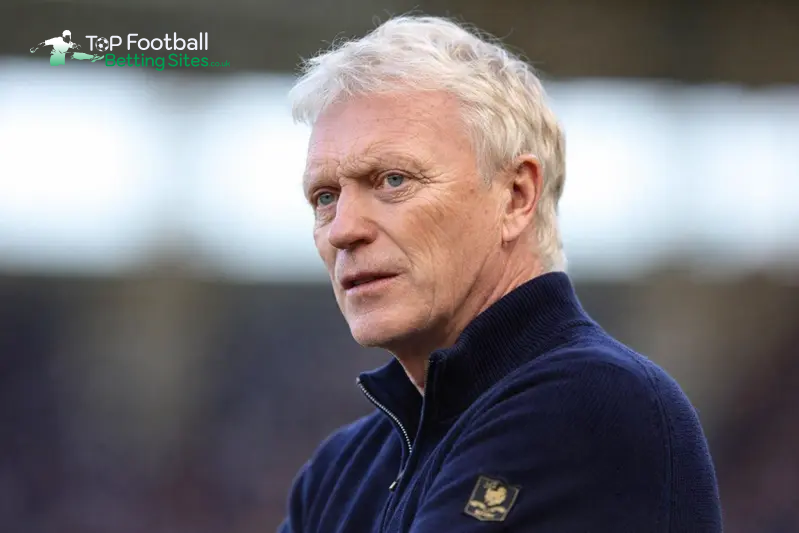
Moyes Puts Everton Contract on Ice as Sale Looms
Contract talks have cooled amid potential club sale Moyes in final year and in no rush to sign Everton unbe...
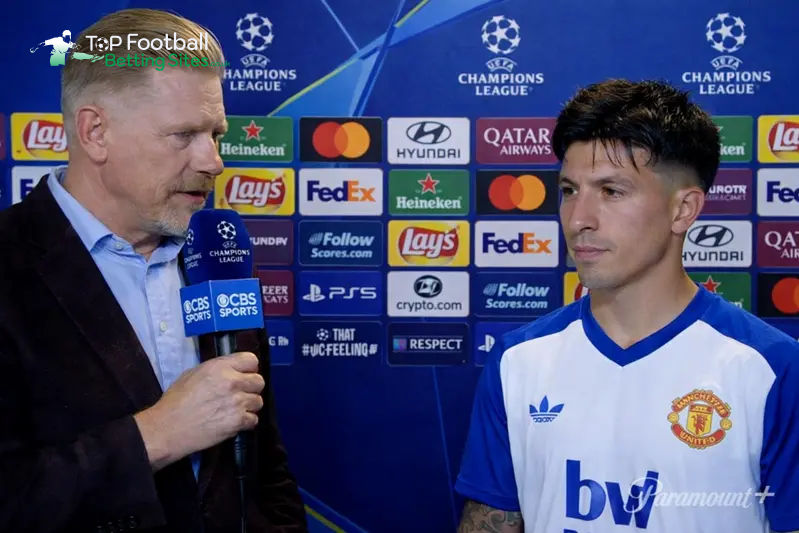
Schmeichels Take on Martinez Right Message Wrong Megaphone
Schmeichel says Martinez’s core critique is “not far off” But the United legend warns: keep grievances in-h...
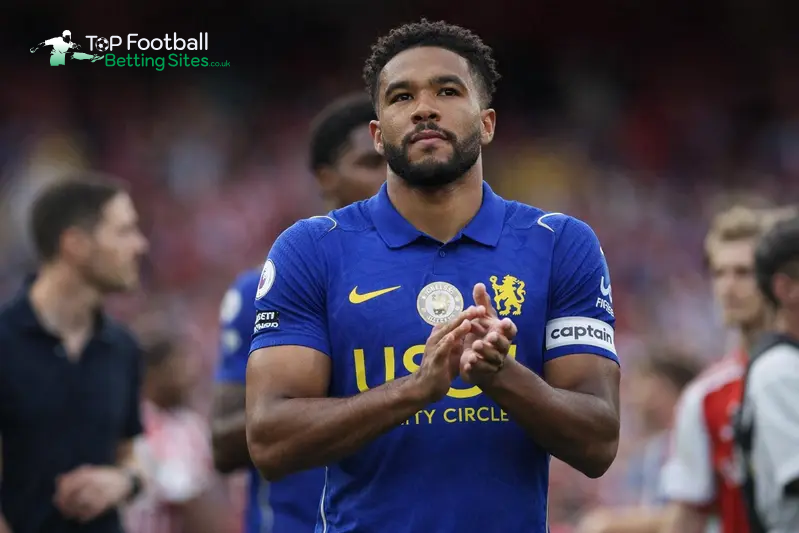
Reece James Faces Fresh Setback After Knee Surgery
Reece James undergoes minor knee surgery after training injury Missed Chelsea’s 5-1 win over Bournemouth; o...

Martinez Says Sorry as United Draw a Line Under Row
Martinez issues a voluntary apology after talks with club chiefs and Michael Carrick United deem the matter...
