

Published: October 14, 2026
- 94 per cent of clubs across England’s top five divisions made a loss last season.
- Almost one in three clubs could survive less than a month without owner funding.
- The regulator wants major reform to revenue distribution and financial controls.
English football has never generated more money, yet the finances underneath the pyramid look remarkably fragile. The Independent Football Regulator’s draft State of the Game report found that 94 per cent of clubs across the top five divisions lost money in 2025/26, despite the game producing around £9bn in revenue.
That contradiction should concern anyone who follows the domestic game, including supporters using football betting sites every weekend. The Premier League remains a global commercial powerhouse, but that success clearly has not created financial security throughout the pyramid.
Owner Funding Is Keeping Too Many Clubs Alive
The most alarming finding concerns how heavily clubs rely on their owners. Around two-thirds reported that they could not survive for 90 days if that funding disappeared. Almost one-third could last no longer than a month.
There is also an obvious competitive problem. Clubs chasing promotion, particularly in the Championship and lower divisions, often spend beyond sustainable levels because reaching the Premier League changes their finances so dramatically. The regulator argues that this creates financial cliff edges throughout the system.
For me, that is the real warning behind these numbers. Spending becomes dangerous when standing still feels equally dangerous. Owners know rivals are gambling on promotion, so restraint can start to look like surrender rather than sensible financial management.
Revenue Distribution Can No Longer Be Kicked Down the Road
The regulator has renewed pressure on the Premier League and EFL to agree a new financial settlement. Its proposed reforms also target losses, financial risk management and the distortive impact of parachute payments on Championship clubs.
The Premier League has offered to double solidarity payments over a 10-year period, but negotiations with the EFL remain unresolved. Crucially, the regulator now has powers to intervene if football cannot agree its own solution.
That intervention may eventually prove necessary. A competition generating billions cannot consider itself financially healthy when so many clubs depend on regular cash injections simply to remain operational. Better distribution will not fix reckless ownership by itself, but combining it with tighter financial controls would at least address both sides of the problem.
The final State of the Game report is expected in early 2027 following consultation. The draft has already made one point difficult to ignore. English football is commercially successful, but too many of its clubs remain financially exposed.

Bio:
Football fanatic, you will often find me on the terraces at lower league matches on a Saturday afternoon. I leave the Premier League matches to the prawn sandwich brigade; grassroots football for me all the way.
Key contributions:
As the lead copywriter, it’s my job to turn my colleagues’ “messy notes” (sorry, guys!) into clear, engaging content. From bookmaker reviews to betting predictions, I make sure everything is polished, accurate, and easy to read
Personnel betting philosophy or quotes:
“Great content, like great football, is all about the fundamentals”
Latest Football News
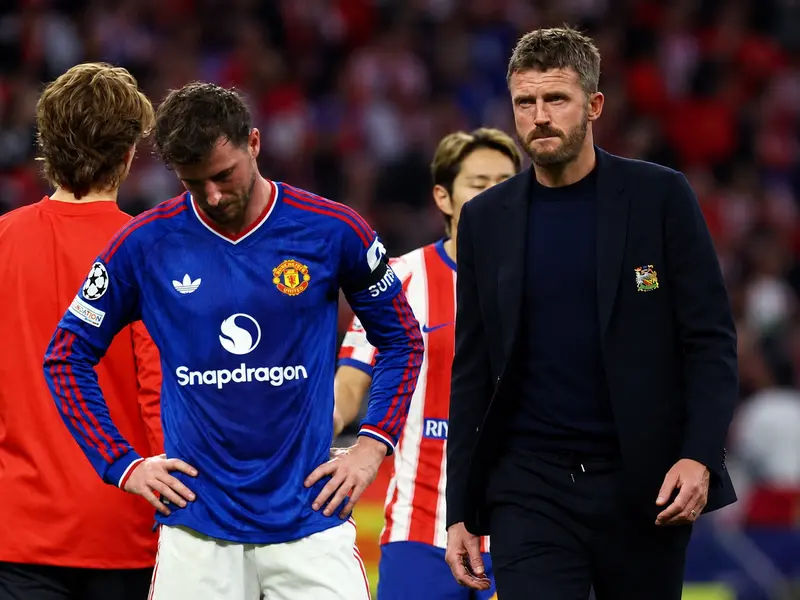
Atletico v Man United Carricks Big Call As Baleba Starts In Testing Champions League Trip
Baleba handed first start as Carrick reshapes United’s XI Atletico flying with four straight wins and a fie...

Champions League Power Rankings After Matchday One PSG Lead City Face Questions
PSG stay No.1 despite patchy league form—European nous still scares everyone. Manchester City at 5, amid up...
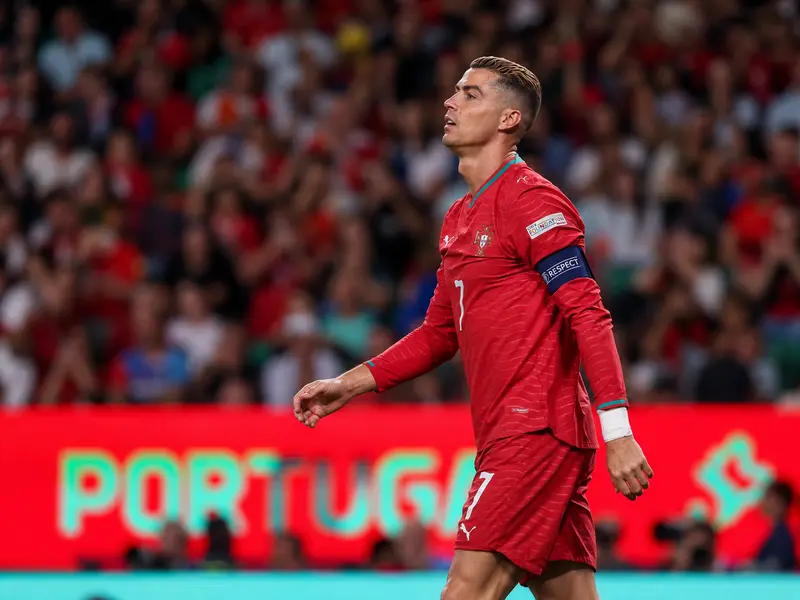
Ronaldo Suspension Puts Portugals Future Back in Doubt
Portugal have placed Cristiano Ronaldo under preventive suspension. The FPF has opened an urgent disciplina...

Farewell to a Leader Doug Loft Remembered by Port Vale and Gillingham
Former Port Vale and Gillingham captain Doug Loft dies aged 39 Named Vale’s Player of the Year in 2011–12; ...
